LA PELL DEL RAVAL

[ESP]

La Pell del Raval

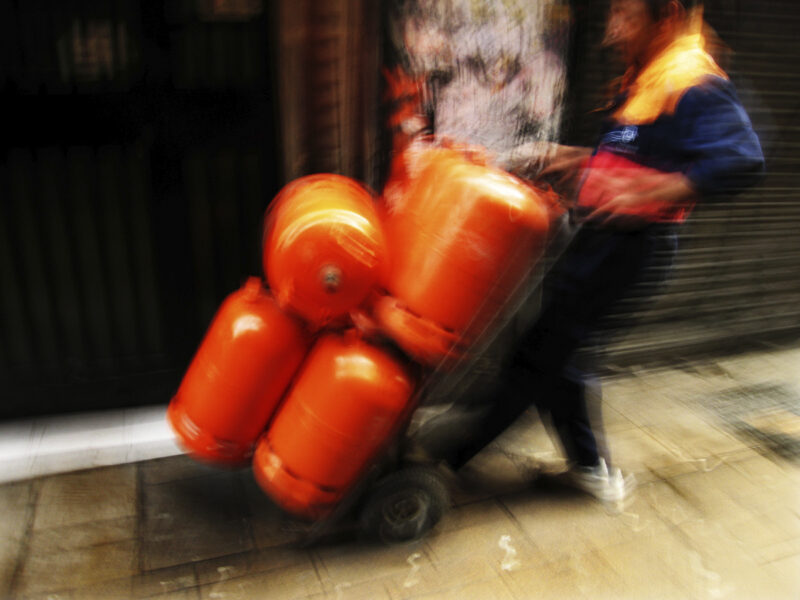
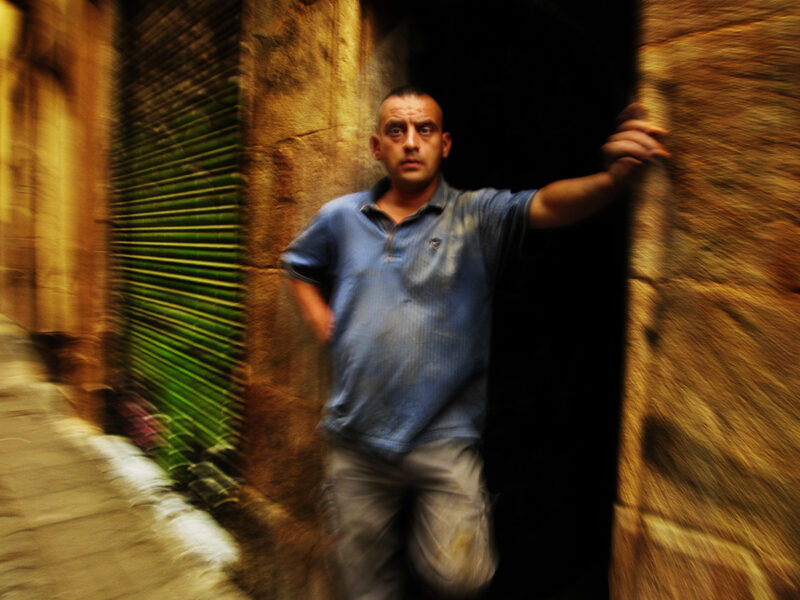
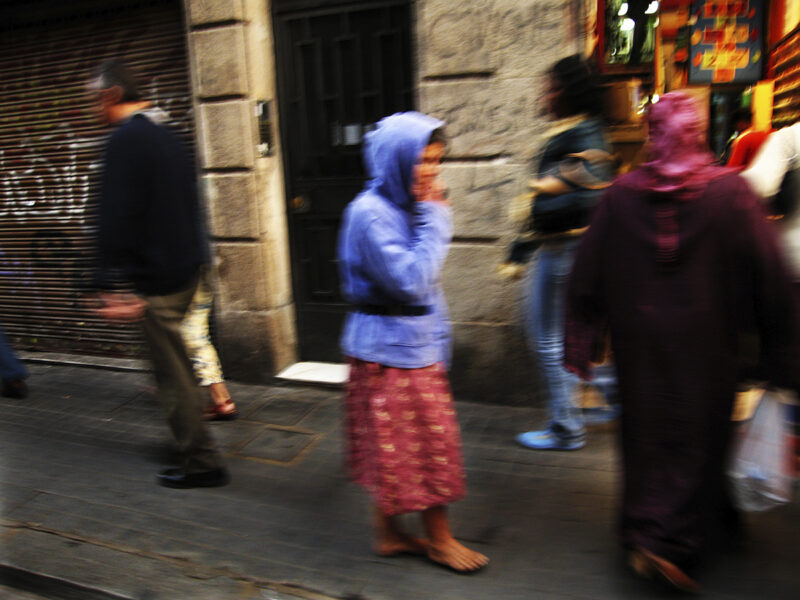
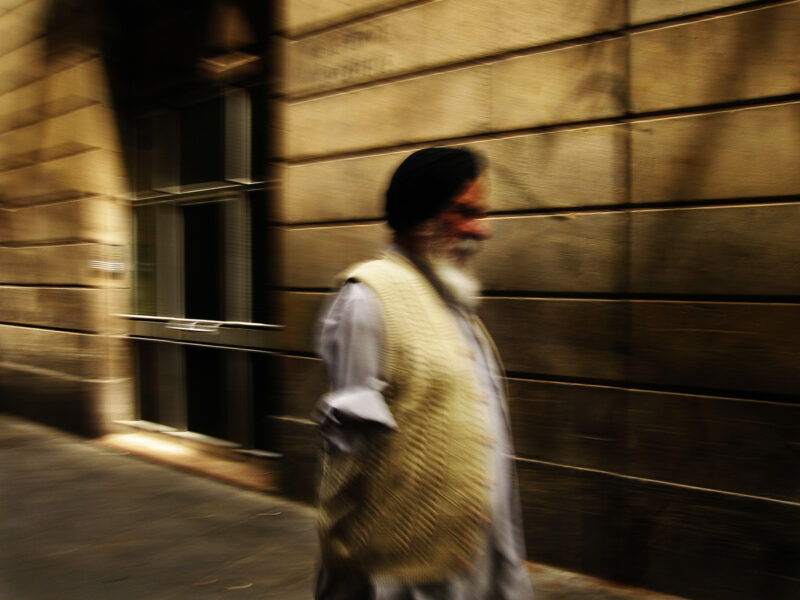
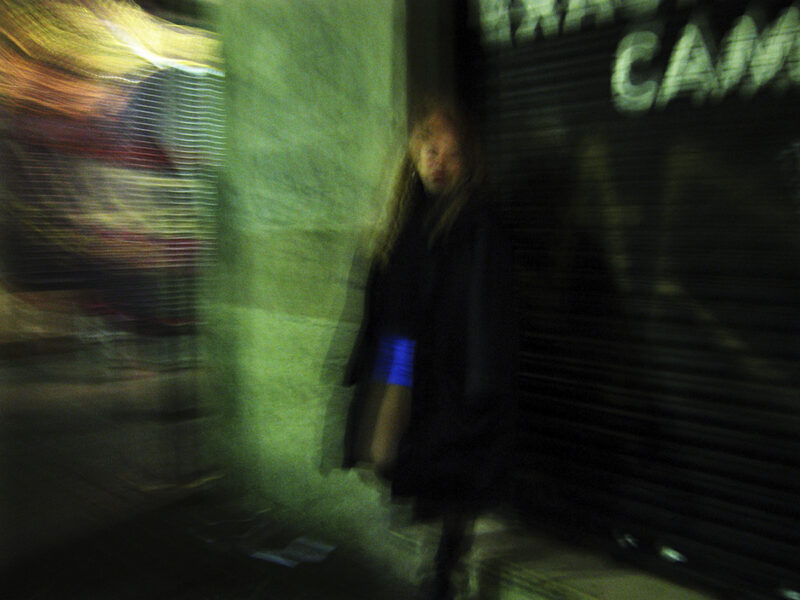
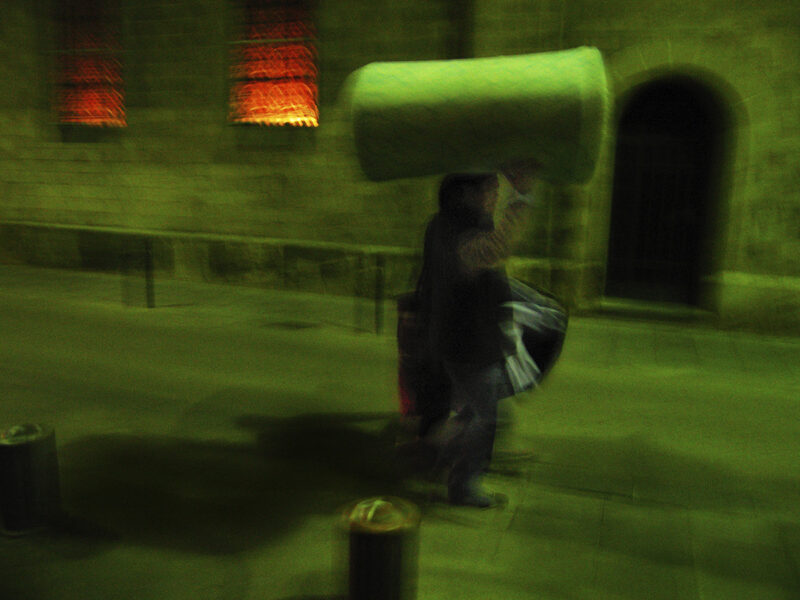
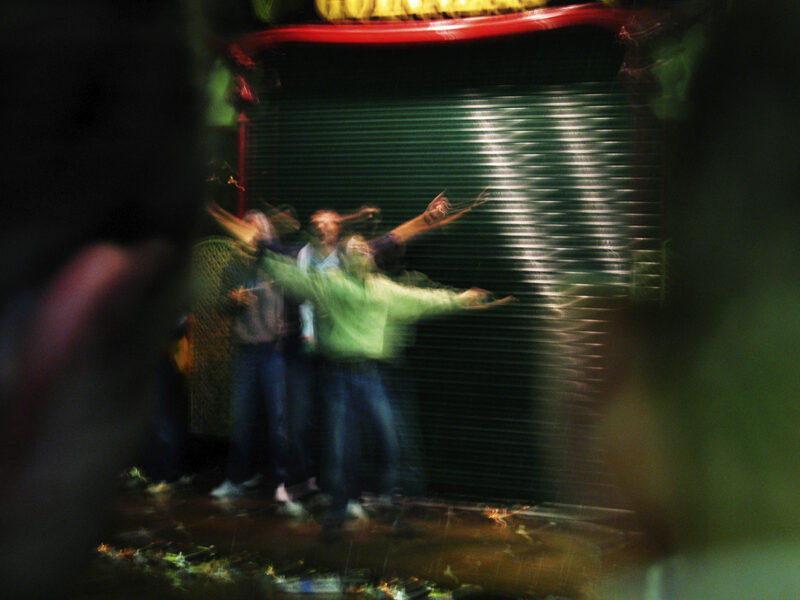
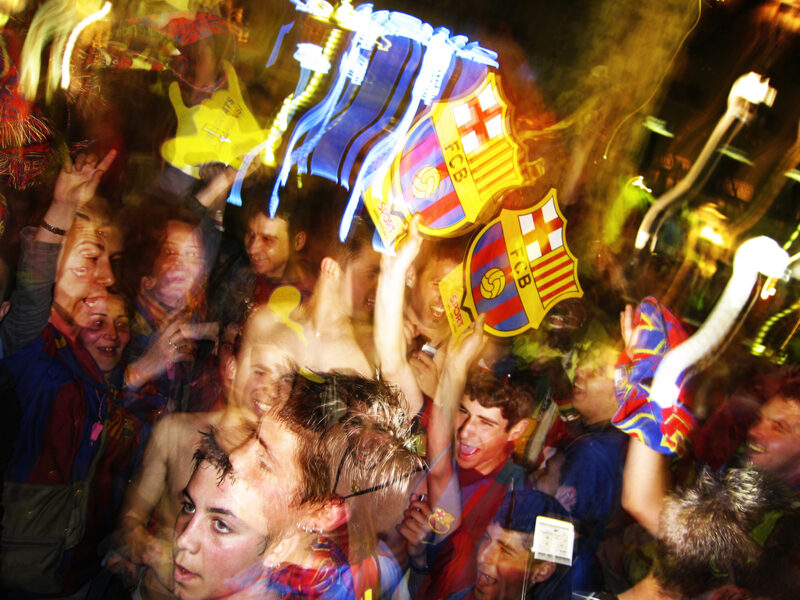
Caminar sin rumbo es una forma de mirar. En 2004, recorrí las calles del Raval con una pequeña cámara digital, disparando por pantalla, sin un guion preestablecido, dejándome llevar por el pulso del barrio. No buscaba una historia cerrada, sino fragmentos de realidad que, en su dispersión, construyeran un retrato más honesto de un espacio en transformación. “Andante” nace de esa deriva: una colección de imágenes que no documentan el barrio, sino que lo sienten, lo respiran, lo recorren desde su piel.

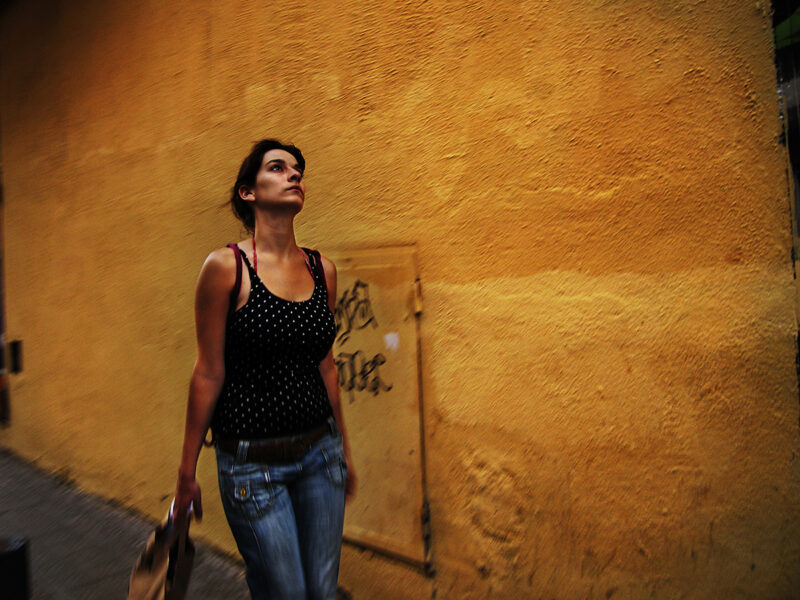
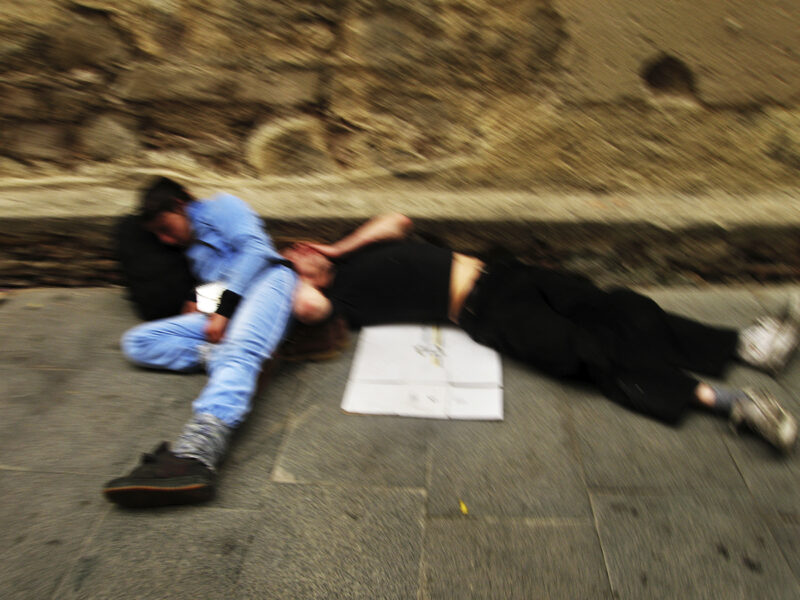
La piel del Raval es áspera y suave a la vez. Es la superficie que oculta y revela, la textura de sus muros tatuados con grafitis, las telas raídas que envuelven cuerpos invisibilizados, el reflejo de luces cálidas sobre el asfalto húmedo. Es algo tan superficial como profundo, la membrana que separa y a la vez une.

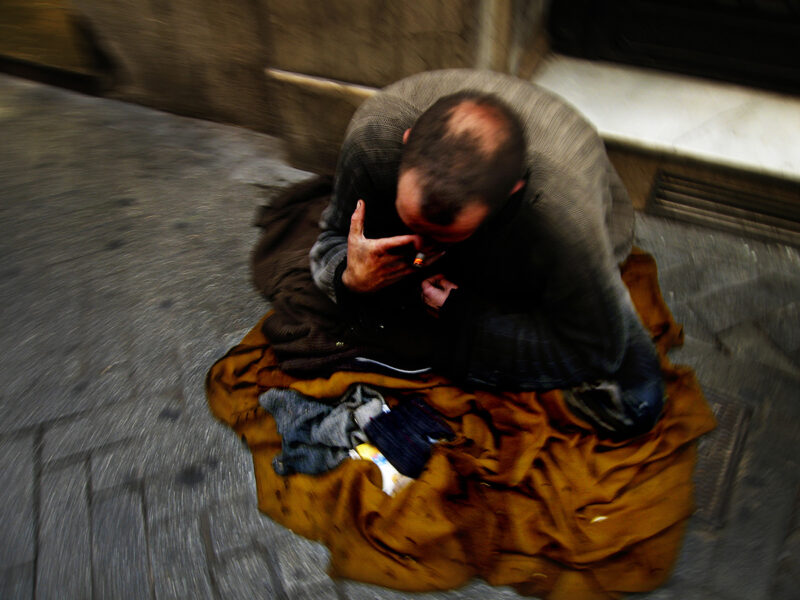
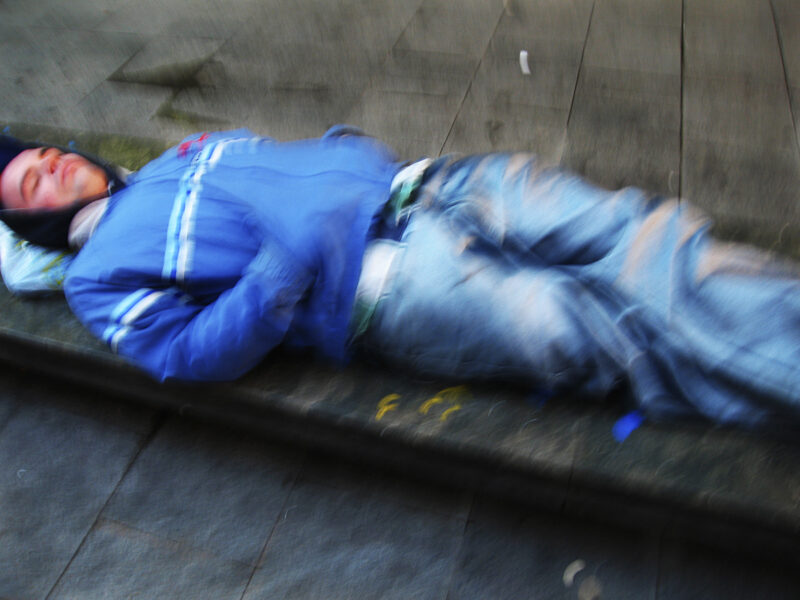
En estas fotografías, los protagonistas no son los edificios modernizados ni la gentrificación incipiente, sino los cuerpos que habitan el margen, los que resisten, los que han aprendido a ser invisibles. Como el hombre que se encoge sobre sí mismo en una esquina, envuelto en una manta que apenas separa su piel del asfalto. Su postura es un gesto de renuncia, pero también de refugio, una forma de existir en un mundo que lo ha desdibujado.

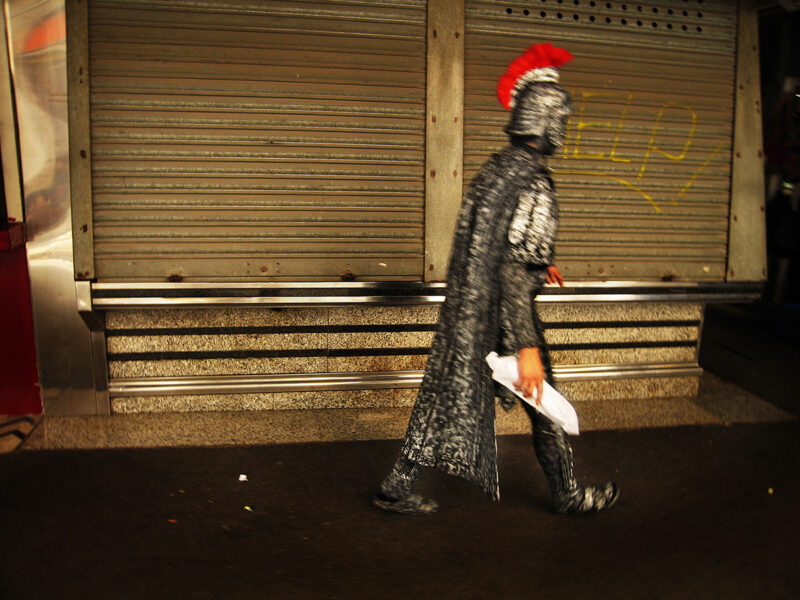
O el gladiador urbano que avanza con paso firme frente a una persiana metálica cerrada, su armadura de cartón y pintura descascarada evocando una batalla que quizás nunca termine. Sobre su cabeza, el grafiti de un “HELP” casi borrado parece un eco de su presencia. ¿Es un luchador, un actor, un hombre disfrazado para ganarse la vida? No hay respuestas, solo la certeza de que su imagen es tan real como simbólica: en el Raval de 2004, la vida se sostenía entre la resistencia y el olvido.

“Andante” no es un homenaje ni un lamento, sino una exploración de la identidad urbana en un momento de cambio. Es una inmersión en la piel del barrio, en su capa más visible y en sus cicatrices más profundas. A través de estos encuentros fugaces, la serie construye un mapa emocional del Raval, donde cada imagen es una huella, un latido, una historia que se entrecruza con la de quienes la observan. Porque, al final, el Raval no es solo un lugar. Es un estado de tránsito, un territorio en el que, al caminar sin rumbo, uno termina encontrándose con lo esencial.

[ENG]

Raval Skin

Walking without a destination is a way of seeing. In 2004, I wandered the streets of El Raval with a small digital camera, without a predetermined script, letting myself be guided by the pulse of the neighborhood. I wasn’t looking for a closed narrative but rather fragments of reality that, in their dispersion, would form a more honest portrait of a space in transformation. Andante was born from that drift: a collection of images that do not merely document the neighborhood but rather feel it, breathe it, traverse it from its very skin.

The skin of El Raval is both rough and smooth. It is a surface that conceals and reveals, the texture of its walls tattooed with graffiti, the worn-out fabrics that wrap invisible bodies, the warm reflections of streetlights on wet asphalt. It is something as superficial as it is profound, a membrane that both separates and connects.

In these photographs, the protagonists are not the newly renovated buildings or the early signs of gentrification, but rather the bodies that inhabit the margins—those who resist, those who have learned to be invisible. Like the man curled up in a corner, wrapped in a blanket that barely separates his skin from the asphalt. His posture is a gesture of both surrender and refuge, a way of existing in a world that has blurred him out.

Or the urban gladiator striding forward past a closed metal shutter, his armor of cardboard and chipped paint evoking a battle that may never end. Above his head, the faded graffiti of the word “HELP” echoes his presence. Is he a warrior, an actor, a man dressed up to make a living? There are no answers, only the certainty that his image is as real as it is symbolic: in the El Raval of 2004, life balanced between resistance and oblivion.

Andante is neither a tribute nor a lament; it is an exploration of urban identity at a moment of change. It is an immersion into the skin of the neighborhood—into its most visible layer and its deepest scars. Through these fleeting encounters, the series constructs an emotional map of El Raval, where each image is a trace, a heartbeat, a story intertwined with those who observe it. Because in the end, El Raval is not just a place. It is a state of transit, a territory where, by walking without direction, one ultimately encounters the essential.
previous
next
close

[ESP]

La Pell del Raval

Caminar sin rumbo es una forma de mirar. En 2004, recorrí las calles del Raval con una pequeña cámara digital, disparando por pantalla, sin un guion preestablecido, dejándome llevar por el pulso del barrio. No buscaba una historia cerrada, sino fragmentos de realidad que, en su dispersión, construyeran un retrato más honesto de un espacio en transformación. “Andante” nace de esa deriva: una colección de imágenes que no documentan el barrio, sino que lo sienten, lo respiran, lo recorren desde su piel.

La piel del Raval es áspera y suave a la vez. Es la superficie que oculta y revela, la textura de sus muros tatuados con grafitis, las telas raídas que envuelven cuerpos invisibilizados, el reflejo de luces cálidas sobre el asfalto húmedo. Es algo tan superficial como profundo, la membrana que separa y a la vez une.

En estas fotografías, los protagonistas no son los edificios modernizados ni la gentrificación incipiente, sino los cuerpos que habitan el margen, los que resisten, los que han aprendido a ser invisibles. Como el hombre que se encoge sobre sí mismo en una esquina, envuelto en una manta que apenas separa su piel del asfalto. Su postura es un gesto de renuncia, pero también de refugio, una forma de existir en un mundo que lo ha desdibujado.

O el gladiador urbano que avanza con paso firme frente a una persiana metálica cerrada, su armadura de cartón y pintura descascarada evocando una batalla que quizás nunca termine. Sobre su cabeza, el grafiti de un “HELP” casi borrado parece un eco de su presencia. ¿Es un luchador, un actor, un hombre disfrazado para ganarse la vida? No hay respuestas, solo la certeza de que su imagen es tan real como simbólica: en el Raval de 2004, la vida se sostenía entre la resistencia y el olvido.

“Andante” no es un homenaje ni un lamento, sino una exploración de la identidad urbana en un momento de cambio. Es una inmersión en la piel del barrio, en su capa más visible y en sus cicatrices más profundas. A través de estos encuentros fugaces, la serie construye un mapa emocional del Raval, donde cada imagen es una huella, un latido, una historia que se entrecruza con la de quienes la observan. Porque, al final, el Raval no es solo un lugar. Es un estado de tránsito, un territorio en el que, al caminar sin rumbo, uno termina encontrándose con lo esencial.

[ENG]

Raval Skin

Walking without a destination is a way of seeing. In 2004, I wandered the streets of El Raval with a small digital camera, without a predetermined script, letting myself be guided by the pulse of the neighborhood. I wasn’t looking for a closed narrative but rather fragments of reality that, in their dispersion, would form a more honest portrait of a space in transformation. Andante was born from that drift: a collection of images that do not merely document the neighborhood but rather feel it, breathe it, traverse it from its very skin.

The skin of El Raval is both rough and smooth. It is a surface that conceals and reveals, the texture of its walls tattooed with graffiti, the worn-out fabrics that wrap invisible bodies, the warm reflections of streetlights on wet asphalt. It is something as superficial as it is profound, a membrane that both separates and connects.

In these photographs, the protagonists are not the newly renovated buildings or the early signs of gentrification, but rather the bodies that inhabit the margins—those who resist, those who have learned to be invisible. Like the man curled up in a corner, wrapped in a blanket that barely separates his skin from the asphalt. His posture is a gesture of both surrender and refuge, a way of existing in a world that has blurred him out.

Or the urban gladiator striding forward past a closed metal shutter, his armor of cardboard and chipped paint evoking a battle that may never end. Above his head, the faded graffiti of the word “HELP” echoes his presence. Is he a warrior, an actor, a man dressed up to make a living? There are no answers, only the certainty that his image is as real as it is symbolic: in the El Raval of 2004, life balanced between resistance and oblivion.

Andante is neither a tribute nor a lament; it is an exploration of urban identity at a moment of change. It is an immersion into the skin of the neighborhood—into its most visible layer and its deepest scars. Through these fleeting encounters, the series constructs an emotional map of El Raval, where each image is a trace, a heartbeat, a story intertwined with those who observe it. Because in the end, El Raval is not just a place. It is a state of transit, a territory where, by walking without direction, one ultimately encounters the essential.